Best Practices for Managing High Performers

Share
It’s no secret that high performers are very task-oriented overachievers who are bound and determined to reach their goals within an organization no matter what it takes. They typically deliver exceptional results, set the pace for the entire team, and often grow into future company leaders.
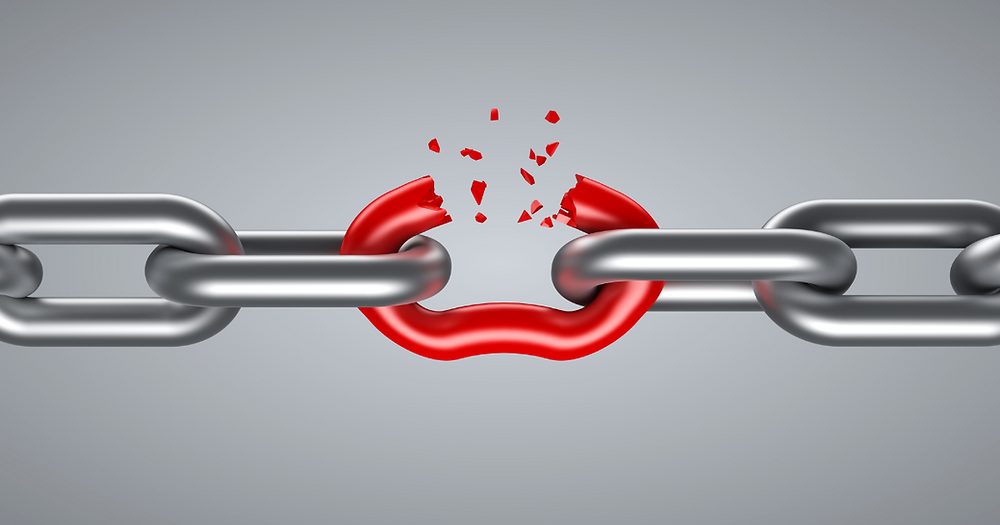
However, there are two sides to this coin. To ensure high performers continue to perform well, employers must protect them from having to do the work of underachievers, preventing burnout they may suffer as a result of having to pick up this slack.
For any leader or manager, one of their highest priorities should be protecting high performers to preserve business objectives. High performers are essential. Studies have shown that they are 400% more productive than the average employee, and up to 800% more productive in very complex roles.
These top performers are defined by the following:
- They’re driven to raise standards across the team
- Their behavior is exactly what you want to model within your project team
- They mentor new hires
- They’re driven to carry critical projects through very rough patches to ensure project success no matter the obstacles
When a company loses a high performer, including due to burnout, the following occurs:
- Productivity drops exceptionally fast
- Morale begins to sink for everyone within the organization
- Managers are forced to spend huge amounts of time and money to find viable alternatives
- Institutional knowledge is lost overnight and can’t be easily replaced
Managing high performers without causing massive burnout quickly is challenging but essential. To facilitate this, employers should:
- Give them authority to decline non-critical tasks and delegate those tasks to the underachievers
- Keep the work meaningful and aligned with their individual personalities and company priorities
- Rotate the responsibilities to avoid boredom
- Celebrate their wins in team meetings and newsletters and be very specific when listing their contributions to the success of the task
- Check regularly to see if they feel overworked
- Provide future plans and input as to what their growth within the company looks like in the days and months ahead
- Assign them to high-level, cross-functional projects
- Have realistic deadlines and buffers for the underachievers, meet with them regularly and advise them clearly of your expectations regarding timelines of project completion
Top overachievers want to do their best work daily for their own individual volition because of their high drive to succeed. Managing high performers means:
- Protecting their time and focus
- Consistently recognizing and rewarding
- Supporting growth and healthy boundaries for both under and overachievers
- Building a culture where high performance does not require personal sacrifice from their off time
To manage effectively across the entire spectrum of performers, allowing boundaries for work-life balance is not only recommended but required.